


I’ve seen an interesting new fad on social media recently that I like to call “vibe releasing”. This is the same as “vibe coding” but it takes it one step further and releases the code to production without properly reviewing it first.
I can’t overstate how terrible of an idea this is.
In fact, this year’s “State of AI-assisted Development” report released by Google centered around one idea: AI is an amplifier. It analyzes AI coding metrics from this past and proves that coding with AI makes proper engineering practices more, not less, important.
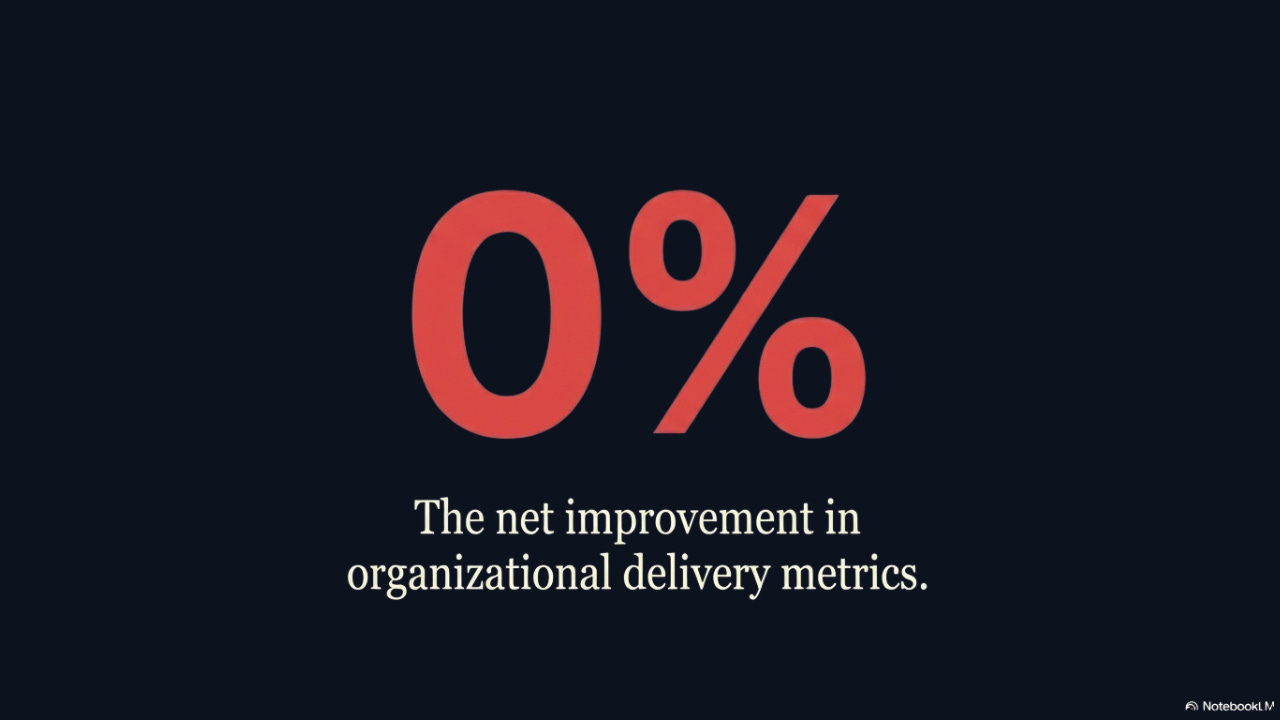
It shows that companies with good engineering culture and practices will see AI positively impact their development velocity and companies with bad engineering culture and practices will see the opposite. “Vibe releasing” is the definition of a bad engineering practice.
This article includes everything you should take away from Google’s report and how it applies to you.
Takeaways
If you’re just here for the takeaways, here they are:
2025 was the first year AI had a quantifiable positive impact on software development.
Trust is a huge factor in AI coding tool effectiveness.
Companies with bad engineering cultures and practices will see their development velocity slow with AI. Conversely, companies with good engineering cultures and practices will see their development velocity quicken with AI.
If you want to know the specifics and what your organization should do to ensure AI works for you instead of against you, read on.
Report methodology
First, let’s understand how the report was created and how research was conducted. When evaluating metrics, this is always the first step.
